How to Texture a Wall
Textured walls are common in many homes – orange peel, knockdown, skip trowel, and popcorn ceilings are all variations of applied texture that hide…
Browse all our Intermediate guides and step-by-step tutorials. Each project includes a full shopping list, tools needed, and realistic cost and time estimates.
Textured walls are common in many homes – orange peel, knockdown, skip trowel, and popcorn ceilings are all variations of applied texture that hide…
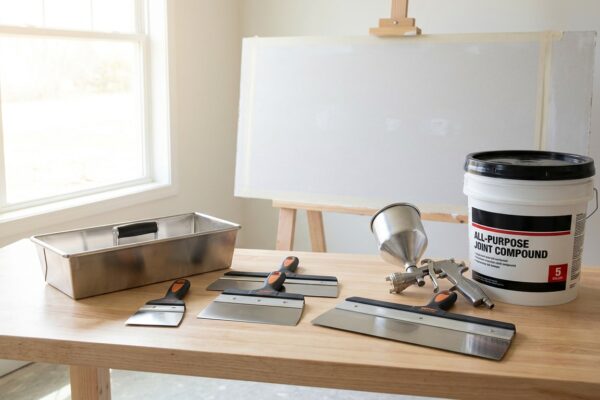
Wall texture transforms plain drywall into a finished surface that hides minor imperfections, reduces sound reflection, and provides a distinct visual character. The most…
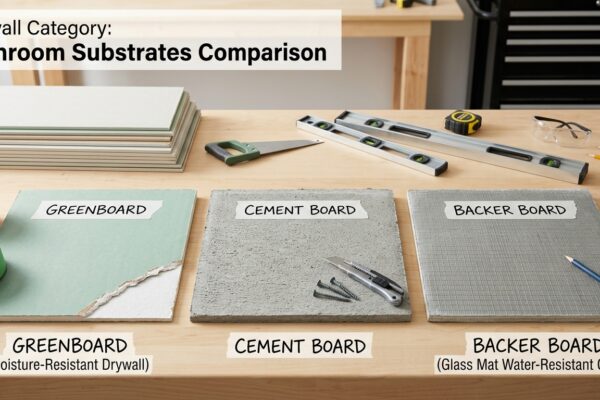
Installing drywall in a bathroom requires moisture-resistant board in all wet areas and correct product selection to prevent mold and failure. Standard drywall deteriorates…
Installing drywall on a ceiling is the most physically demanding step in any drywall project. Sheets are heavy, the work position is awkward, and…
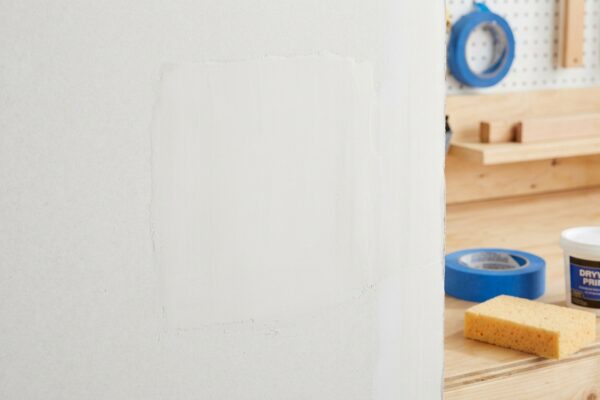
Skim coating is the process of applying one or two very thin layers of joint compound over an entire wall surface to create a…
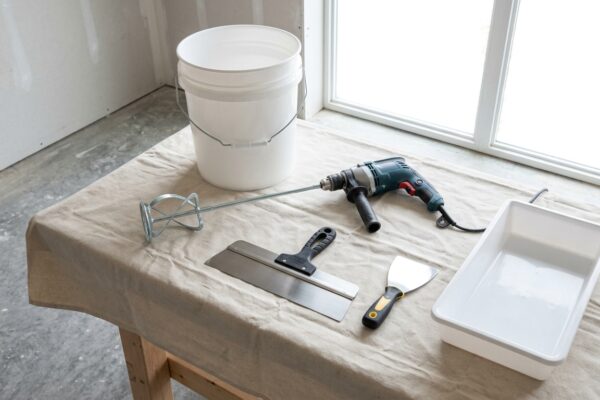
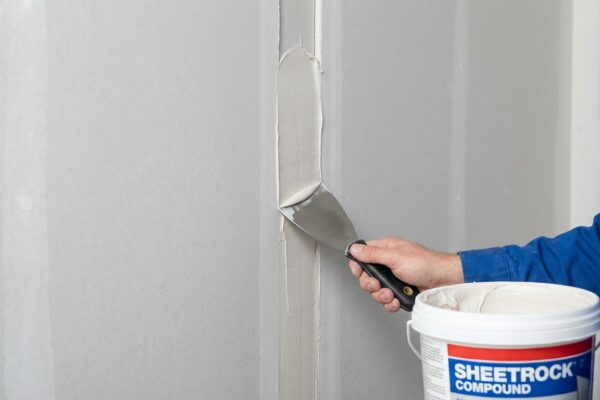
Taping and mudding drywall transforms a room of raw panels into a smooth, paintable surface. It is a multi-coat process: paper tape embedded in…
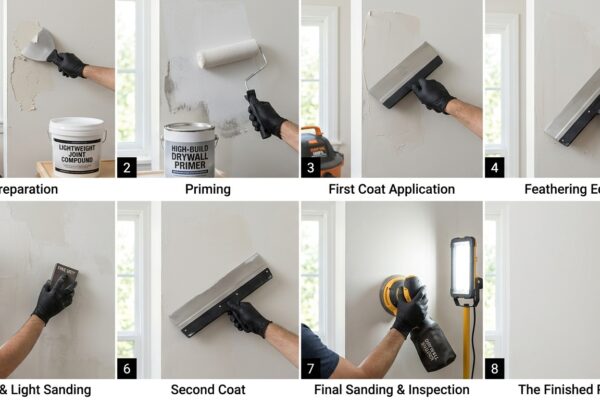
Skim coating is the process of applying a thin layer of joint compound over an entire wall or ceiling surface to achieve a smooth,…
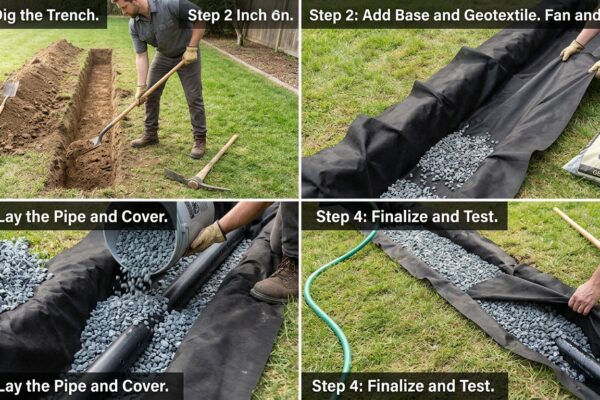
A French drain is a gravel-filled trench containing a perforated pipe that collects groundwater and surface runoff and directs it away from problem areas…
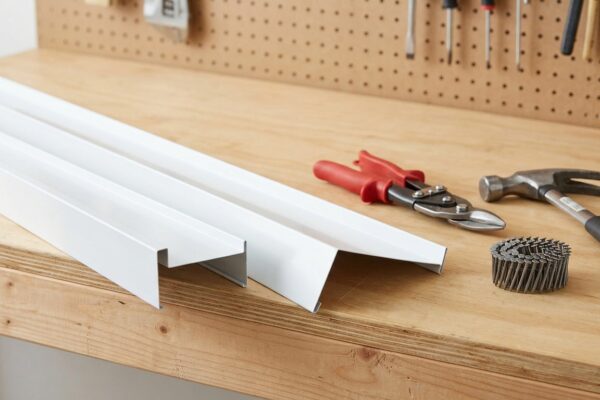
Drip edge is a metal flashing installed at the edges of a roof that directs water off the deck and into the gutters, preventing…
Deck railing is both a safety requirement and a major visual element of any deck. Building code mandates railing on decks 30 inches or…
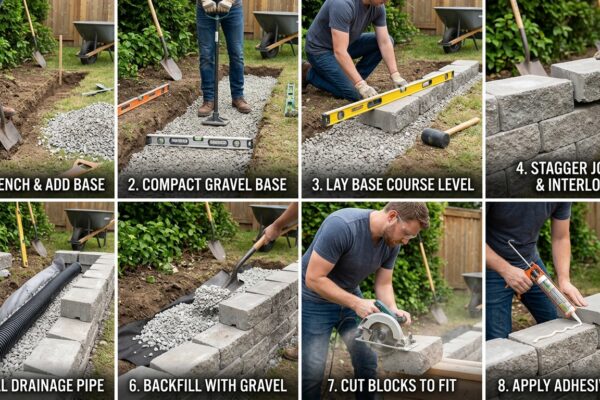
A concrete block retaining wall controls erosion, creates level terraces on sloped yards, and lasts decades with zero maintenance. The system is DIY-friendly: blocks…
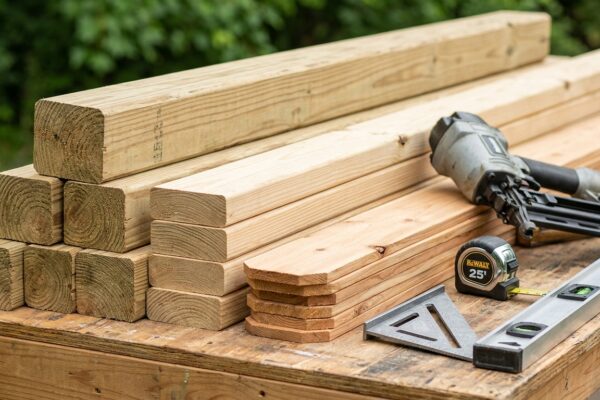
A wood privacy fence defines your property, blocks sightlines, and lasts decades when posts are set correctly. Building it yourself saves 40-60% over contractor…