How to Repair and Replace an Outside Corner Bead
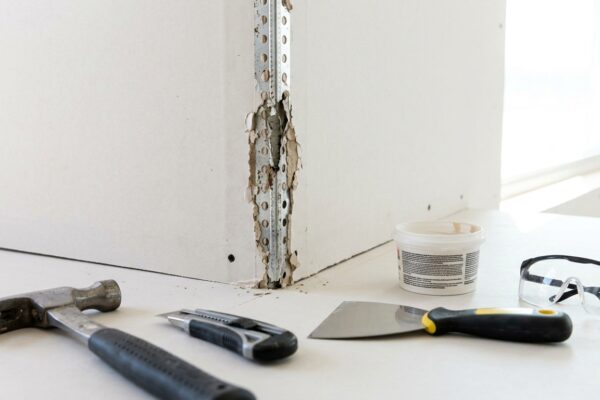
Outside corners of drywall – where two walls meet to form a projecting corner – are the most vulnerable part of any drywall installation.…
Outside corners of drywall – where two walls meet to form a projecting corner – are the most vulnerable part of any drywall installation.…
Textured walls are common in many homes – orange peel, knockdown, skip trowel, and popcorn ceilings are all variations of applied texture that hide…
Drywall backing is blocking – extra framing material added between studs to support drywall edges, fixtures, and accessories that would otherwise have no solid…
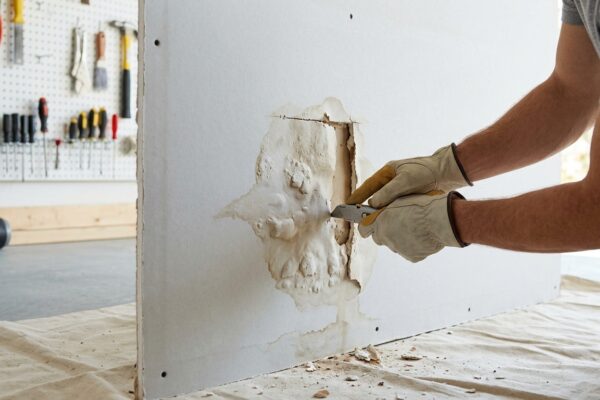
Removing old drywall is necessary before rewiring, re-insulating, or remodeling. The task is physically demanding and dusty, but straightforward when done systematically. Sealing adjacent…
Wall texture transforms plain drywall into a finished surface that hides minor imperfections, reduces sound reflection, and provides a distinct visual character. The most…
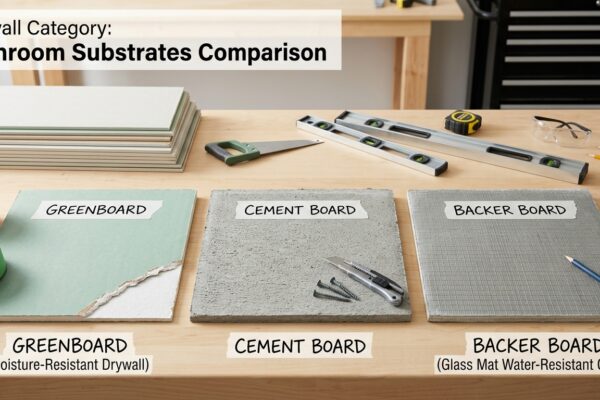
Installing drywall in a bathroom requires moisture-resistant board in all wet areas and correct product selection to prevent mold and failure. Standard drywall deteriorates…
Installing drywall on a ceiling is the most physically demanding step in any drywall project. Sheets are heavy, the work position is awkward, and…
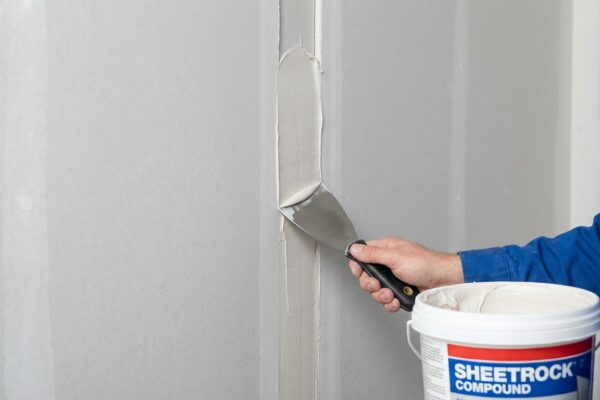
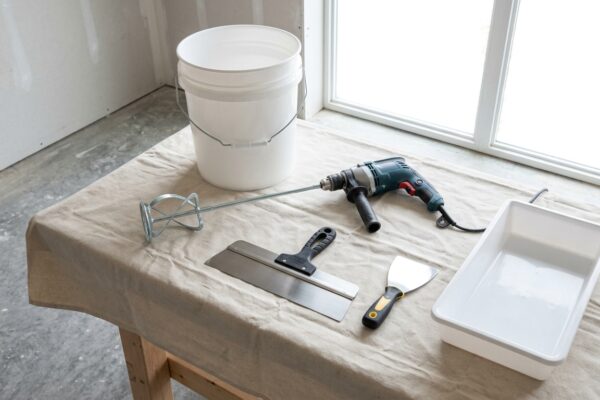
Taping and mudding drywall transforms a room of raw panels into a smooth, paintable surface. It is a multi-coat process: paper tape embedded in…
Skim coating is the process of applying one or two very thin layers of joint compound over an entire wall surface to create a…
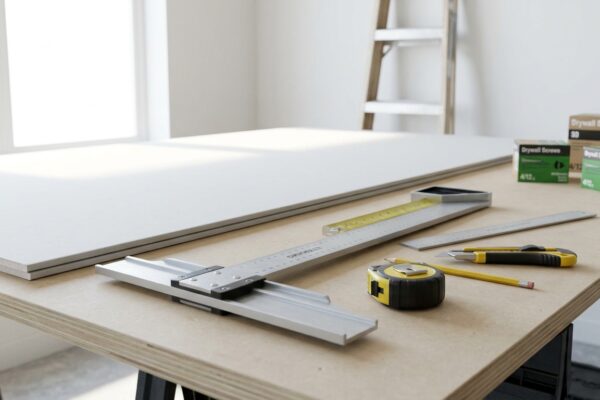
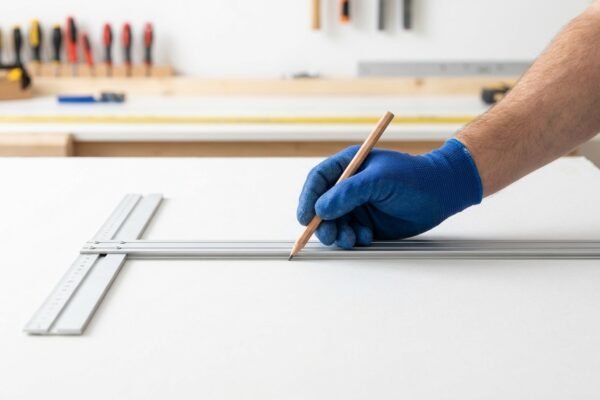
Cutting drywall cleanly and accurately is a fundamental skill for any drywall project. The good news is that drywall cuts with simple hand tools…
A drywall water stain or water-damaged section does more than look bad – it can harbor mold, the weakened gypsum provides little structural value,…
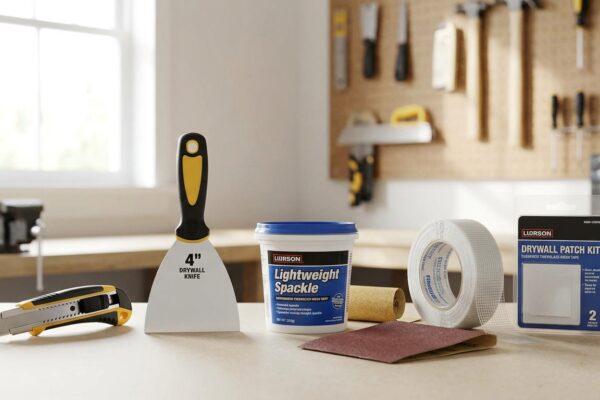
Patching a hole in drywall is one of the most common home repair tasks. Small holes from picture hooks are quick fixes; medium holes…