How to Install Baseboards After New Flooring
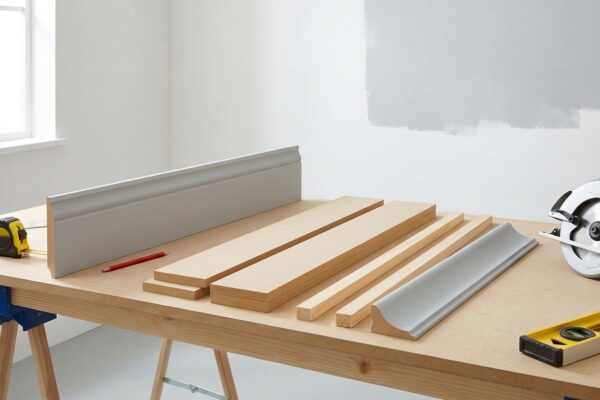
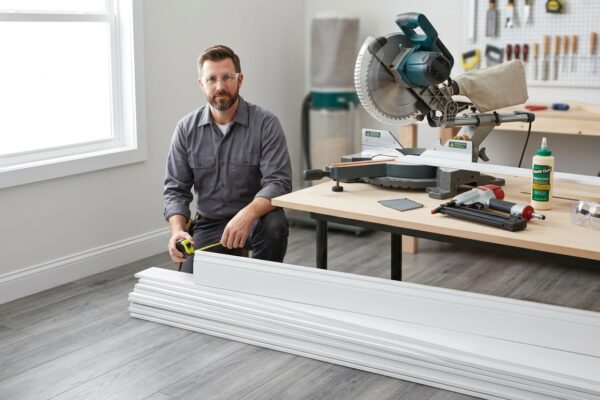
Baseboards tie the room together – they cover the expansion gap at the bottom of hard flooring, protect the drywall base, and give the…
Baseboards tie the room together – they cover the expansion gap at the bottom of hard flooring, protect the drywall base, and give the…
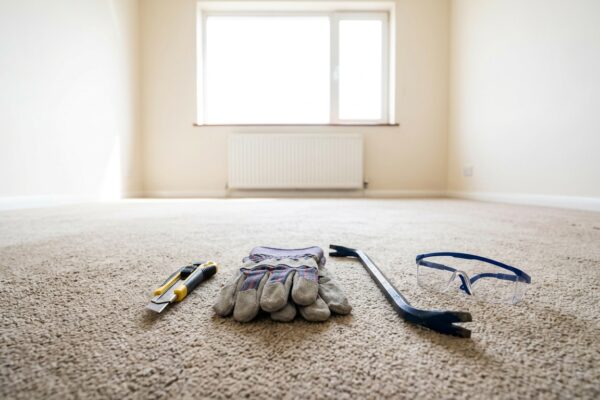
Removing carpet and getting the subfloor ready for hard flooring is one of those projects that always takes longer than expected – not because…
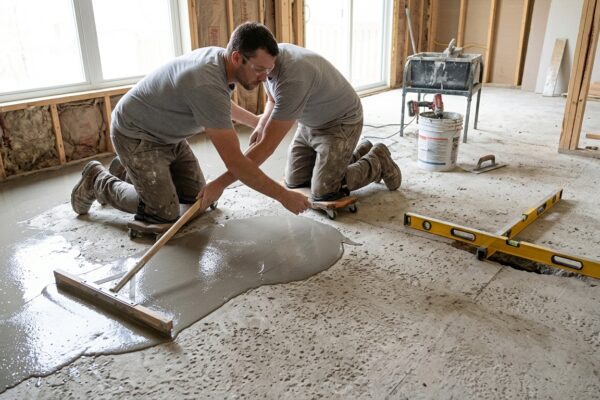
An uneven subfloor is one of the most common reasons new flooring fails – LVP clicks apart at the seams, tile cracks, laminate develops…
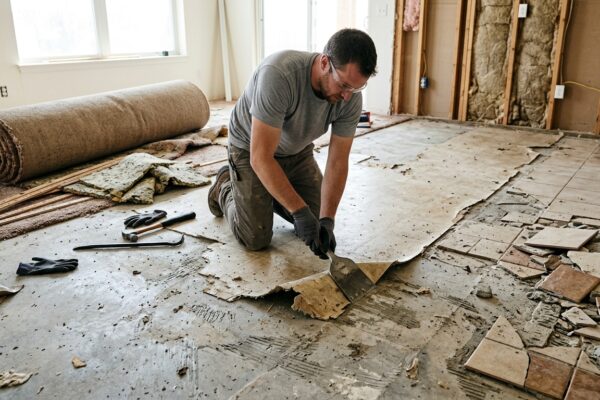
Old flooring removal is the unglamorous first step of nearly every flooring project – and doing it wrong can damage the subfloor beneath, add…
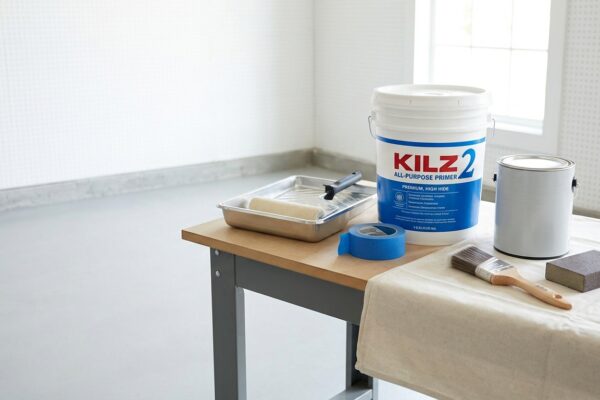
Painting over a dark wall color with a light color is one of the most frustrating painting experiences. You roll on white paint over…
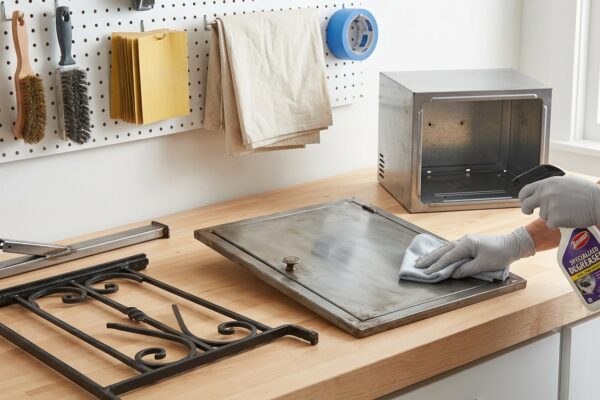
Painting metal surfaces – doors, railings, pipes, appliances – fails more often than almost any other paint project because metal presents unique adhesion challenges.…
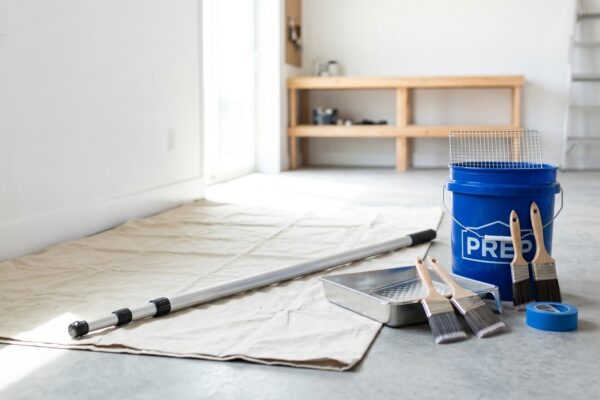
High ceilings look spectacular – until you have to paint them. A 12-foot or 14-foot ceiling seems to demand scaffolding, but full scaffolding systems…
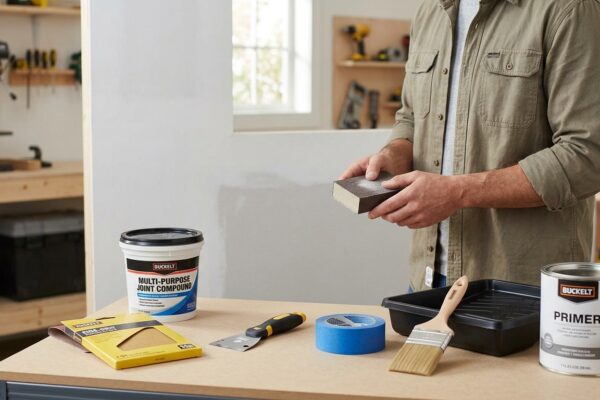
The most common reason paint jobs look bad isn’t the paint – it’s the wall surface underneath. Bumps, dents, old tape joints, nail pops,…
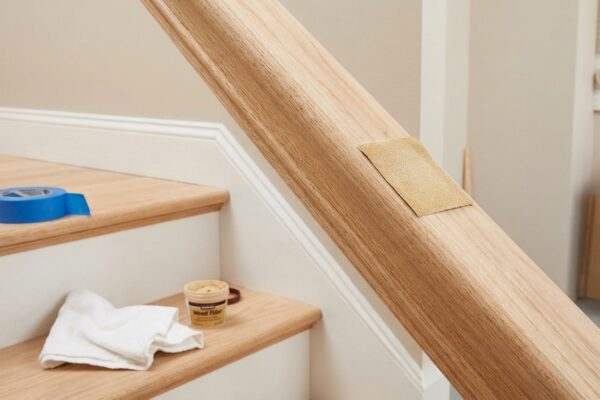
Painting a staircase railing is a frustrating job if you dive in without a plan. The combination of spindles (balusters), handrail, newel posts, and…
Board-and-batten wainscoting is one of the most impactful DIY upgrades you can make to a room. The combination of vertical boards and flat panels…
Popcorn ceilings – also called acoustic or cottage cheese ceilings – were installed in millions of homes from the 1950s through the 1990s. They’re…
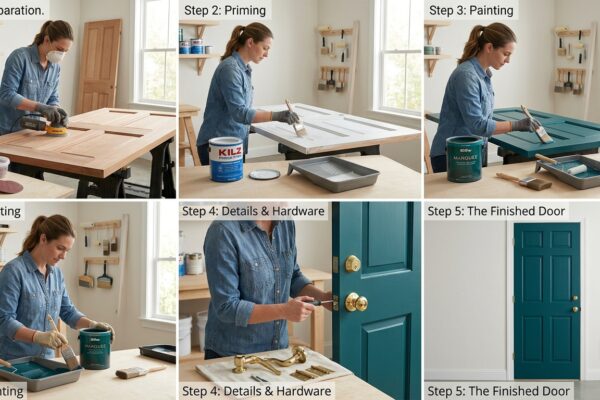
A front door that’s peeling, faded, or just the wrong color is one of the most cost-effective improvements you can make to a home’s…