How to Touch Up Old Paint – Match Color and Blend Sheen
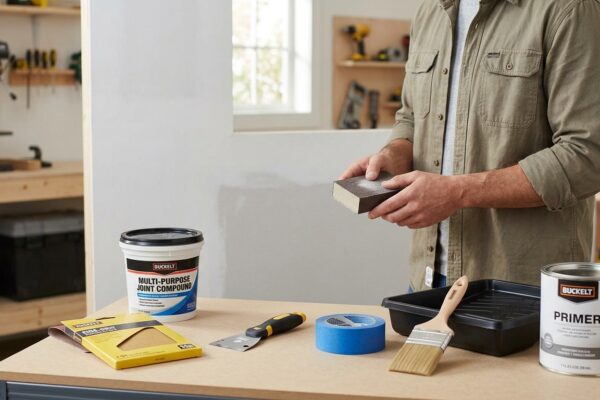
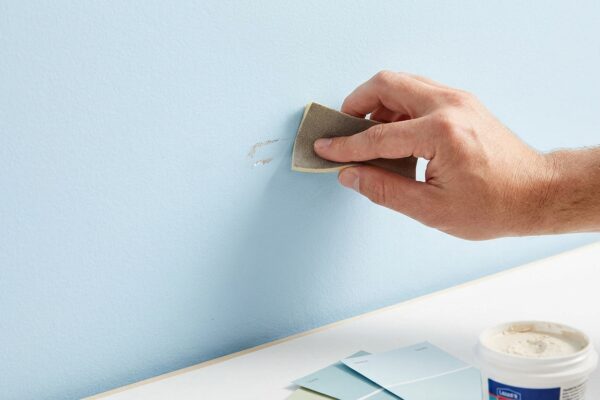
You repainted a room two years ago. Now there’s a scuff from moving furniture, a small patch where a picture hook left a mark,…
You repainted a room two years ago. Now there’s a scuff from moving furniture, a small patch where a picture hook left a mark,…
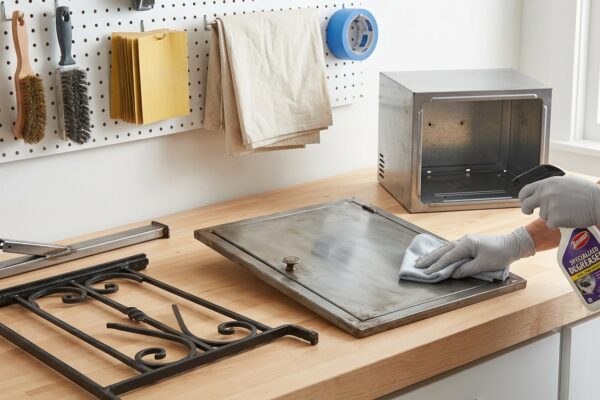
Painting metal surfaces – doors, railings, pipes, appliances – fails more often than almost any other paint project because metal presents unique adhesion challenges.…
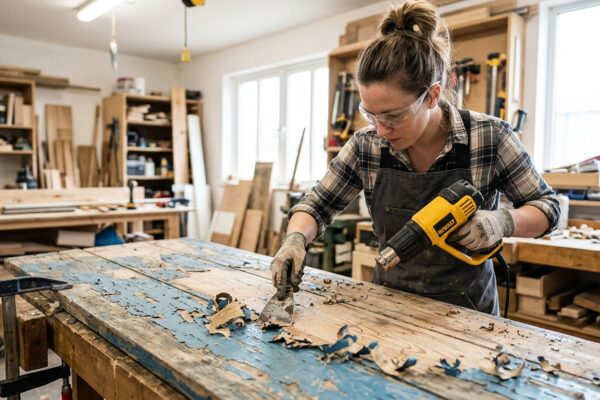
Stripping paint from wood is sometimes the only right move – when there are so many layers that new paint won’t stick, when the…
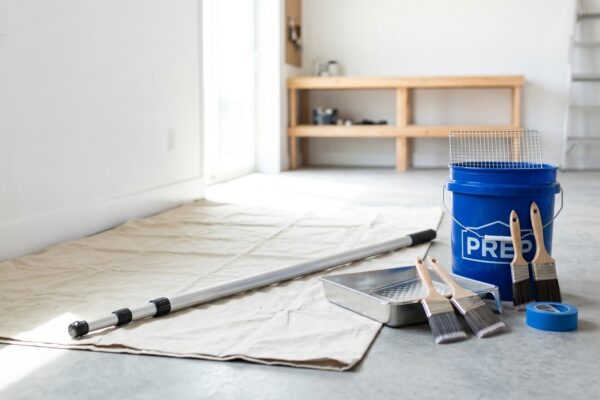
High ceilings look spectacular – until you have to paint them. A 12-foot or 14-foot ceiling seems to demand scaffolding, but full scaffolding systems…
Peeling paint on walls and ceilings is a symptom, not just a surface problem. Paint peels because something caused adhesion failure — moisture infiltration,…
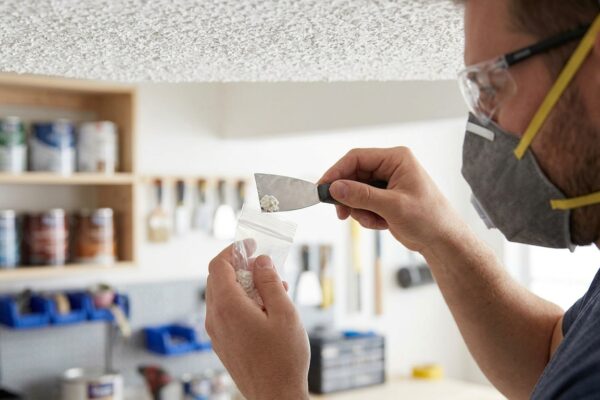
Popcorn ceilings — the bumpy, cottage-cheese textured ceilings common in homes built from the 1950s through the 1990s — date a house visually and…
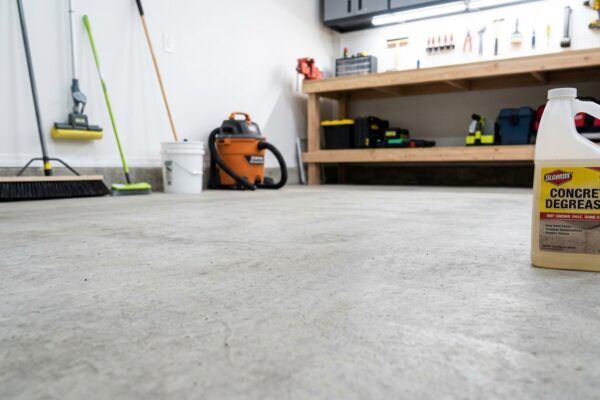
A painted concrete floor — in a basement or garage — transforms a utilitarian space into something that looks clean, protected, and intentional. Properly…
Chalk paint is a mineral-based, matte-finish paint that adheres to most surfaces with minimal preparation — no sanding required, no primer needed in most…
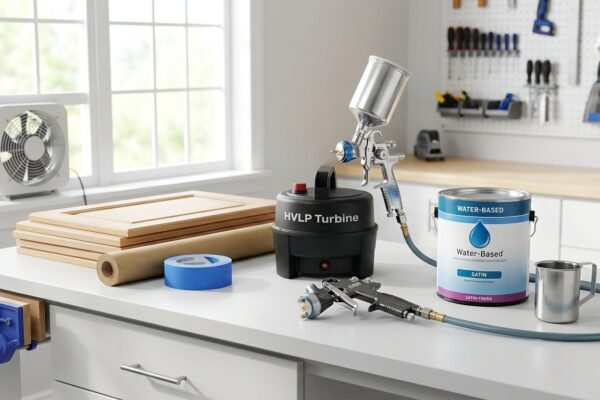
An HVLP (High Volume, Low Pressure) paint sprayer delivers a finish quality that brushes and rollers cannot match on furniture, cabinets, and large interior…
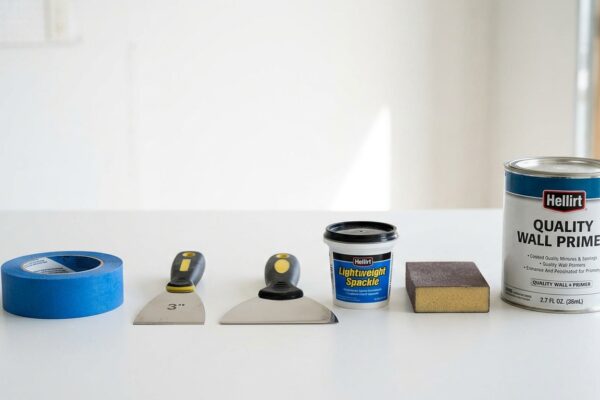
The most common reason paint jobs look bad isn’t the paint – it’s the wall surface underneath. Bumps, dents, old tape joints, nail pops,…
Cutting in – painting a clean line between wall and trim, between wall and ceiling, or between two paint colors – is the skill…
Lap marks – those darker horizontal bands that appear when you roll a new stripe of paint over paint that has already started to…